YouTube Just Brought AI to Your Living Room. Here's Why Small Business Owners Should Care
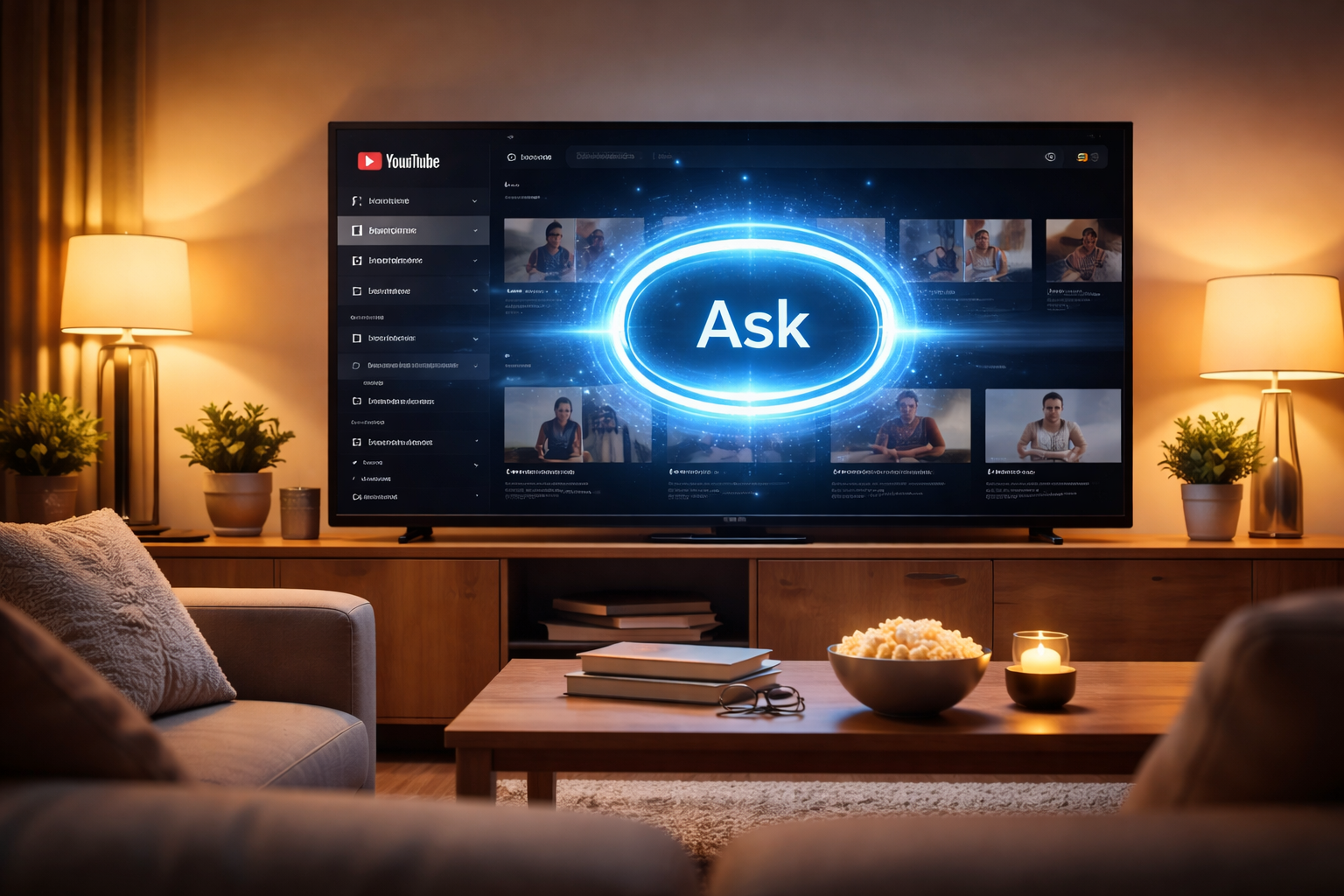
YouTube’s new Gemini conversational AI on smart TVs boosts video discoverability and raises conversational expectations for small businesses.
I was sitting on the couch recently, half-watching a cooking tutorial on YouTube, when my wife asked me what ingredients they were using. I grabbed the remote, rewound the video, squinted at the screen, and tried to pause at the right moment. The whole process took about two minutes for what should have been a two-second answer.
Turns out, YouTube just solved that exact problem. And the way they solved it tells you something important about where AI for small businesses is headed in 2026.
On February 19, YouTube started rolling out its YouTube conversational AI feature to smart TVs, gaming consoles, and streaming devices. It's powered by Google's Gemini, and it lets you ask questions about whatever you're watching without pausing, without leaving the app, and without fumbling through Google on your phone. Just press the "Ask" button or speak into your remote's microphone and get an answer on screen while the video keeps playing.
That might sound like a nice convenience for couch potatoes. But if you run a business and you're paying attention, this is a signal worth understanding.
Why a TV Feature Matters to Your Business
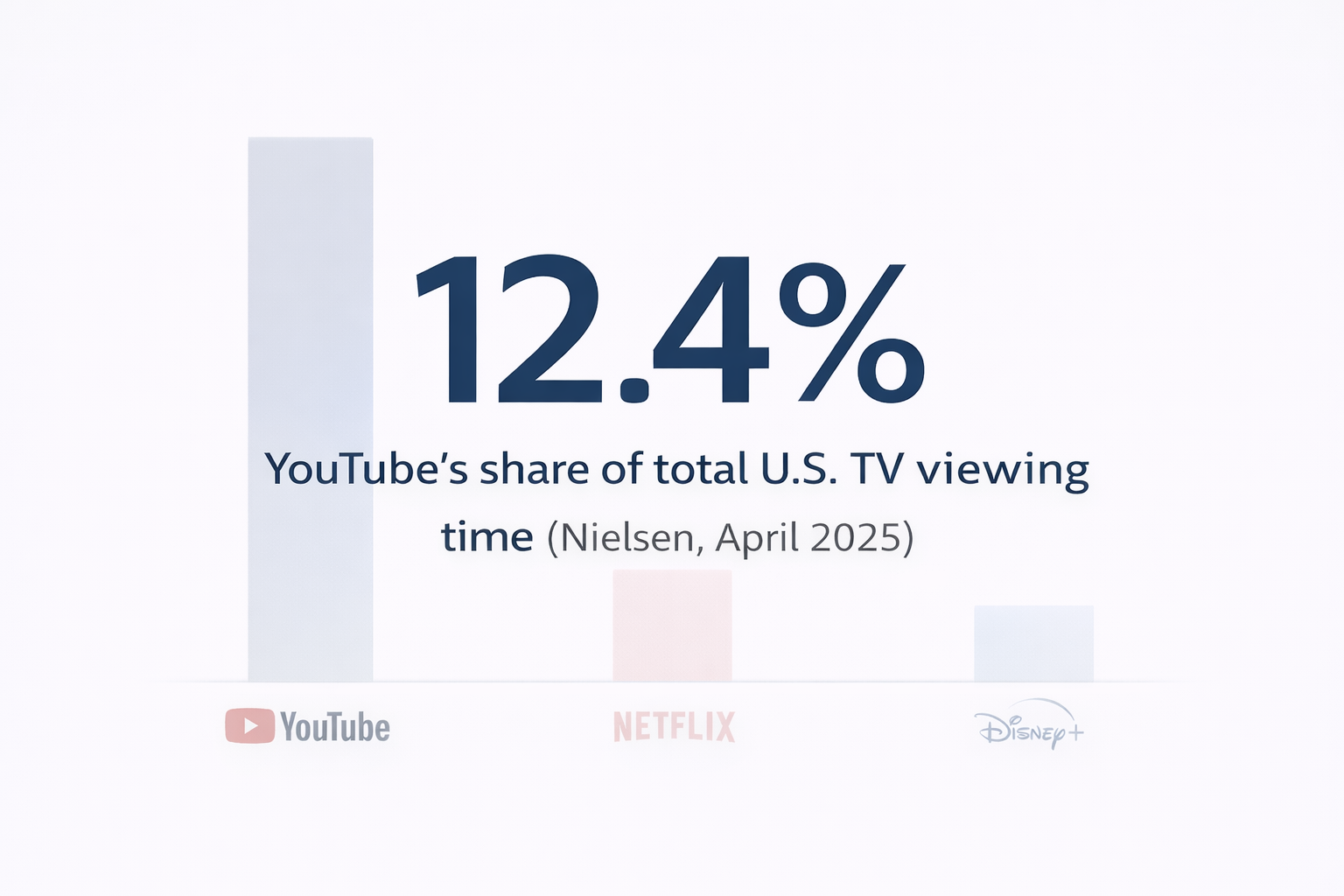
First, some context on where this is happening. YouTube isn't a phone app that also works on TVs anymore. According to Nielsen's data from April 2025, YouTube now captures 12.4% of all U.S. television viewing time. That's more than Netflix. More than Disney+. More than any single media company in the country. By July 2025, that number climbed to 13.4%, the highest share any individual streaming platform has ever recorded.
YouTube CEO Neal Mohan confirmed early in 2025 that TV had officially overtaken mobile as the primary way Americans watch YouTube. Over one billion hours of content are consumed daily on TV screens alone. Let that number settle for a moment.
YouTube isn't competing with TikTok anymore. It's competing with cable television. And it's winning.
So when YouTube rolls out a conversational AI assistant on the biggest screen in your customer's house, that's not a minor update. That's a fundamental shift in how people interact with video content. And video content is where your customers are spending their evenings.
What the Feature Actually Does
The mechanics are straightforward. While watching any video on a supported device, eligible users see an "Ask" button on the screen. Tap it (or press the microphone button on your remote), and the Gemini-powered assistant opens a conversation layer. It suggests questions based on the content you're watching, or you can ask your own.
Watching a recipe video? Ask what ingredients they're using without pausing. Watching a music video? Ask about the lyrics or the artist's background. Watching a product review? Ask how the product compares to a competitor.
The AI responds instantly, right on

30+ years of research strategy on projects for Oracle, Cisco, PayPal, and Walmart — now helping small businesses adopt AI that actually delivers.
More about George →Keep reading

AI renders faster and drafts proposals in minutes. But building codes, site conditions, professional liability, and field decisions remain structural limits no model handles.

Only 43% of associations can access their own member data. AI cannot fix what it cannot see. A practical guide to fixing the data foundation before buying AI features.

Solo architects and small design firms spend too many hours writing proposals that look like last month’s. AI can cut the assembly