
Stop Apologizing for Using AI. Start Owning the Work
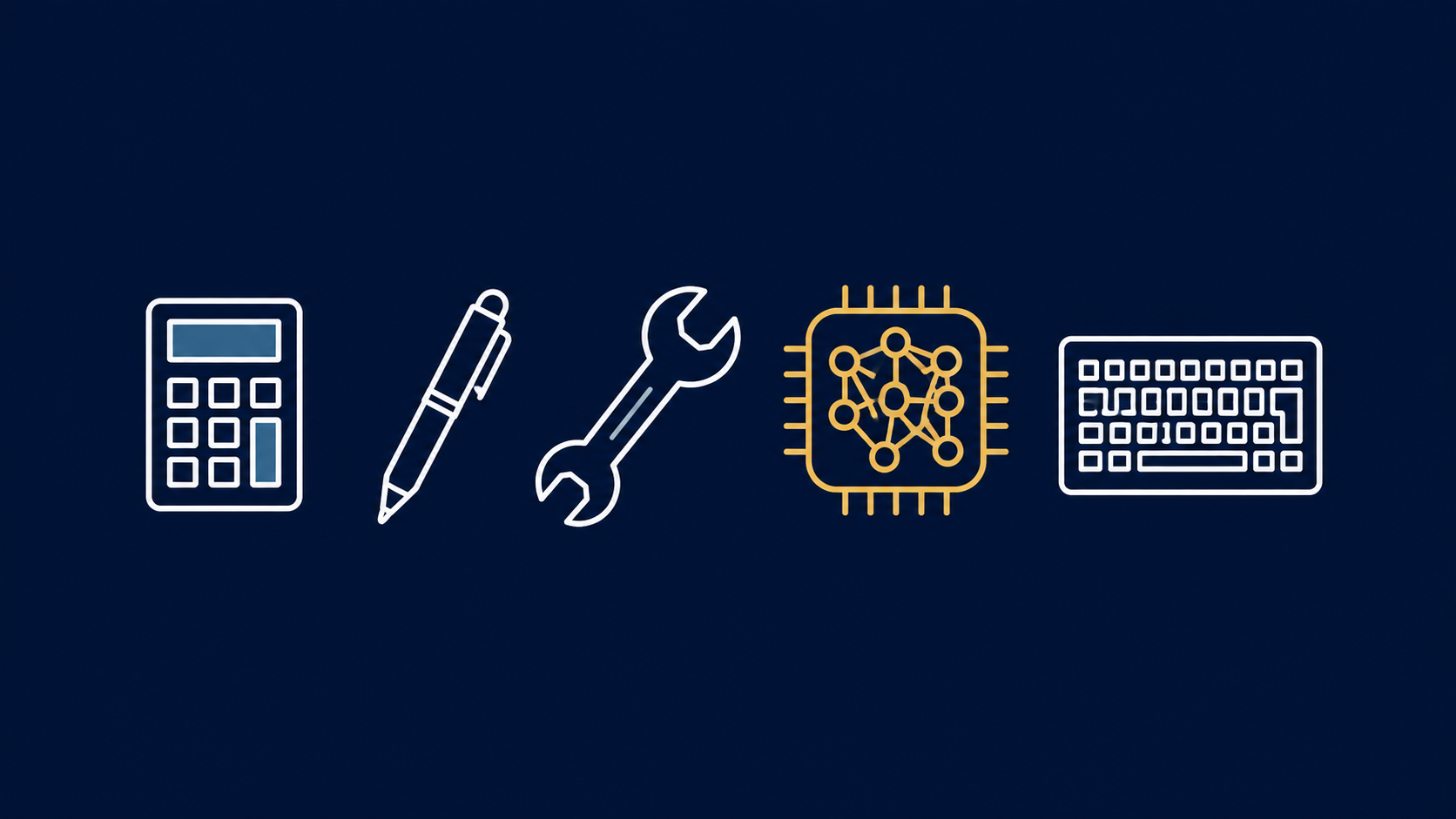
AI tools are the new calculator. The question isn’t whether you used one. It’s whether you stand behind the work. A practical reframe for business owners.
Part 2 of 2 on AI watermarks and small business
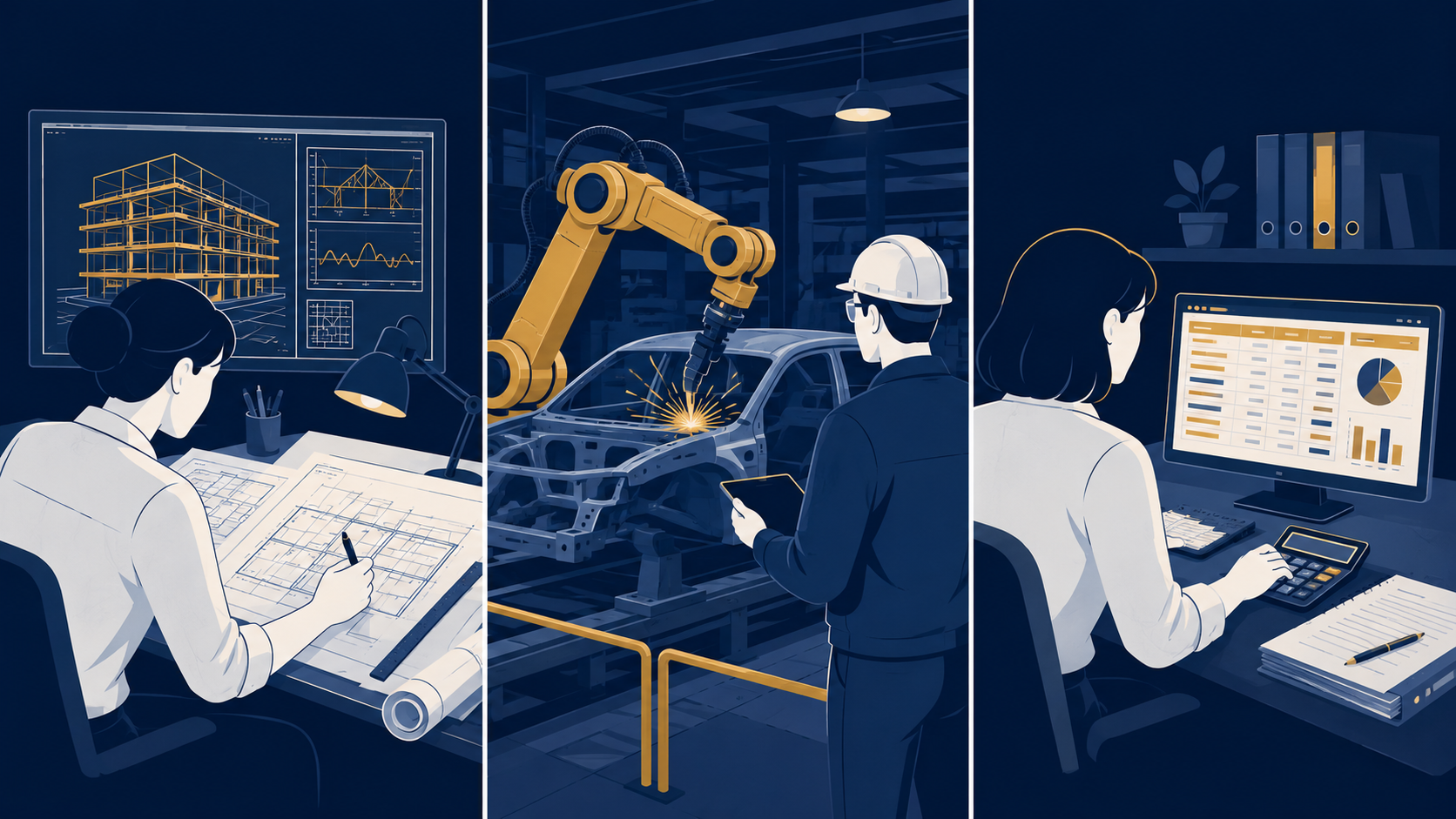
An architect designs a building. The structural calculations are done by software. The load analysis runs through a simulation. The energy modeling is handled by a program that didn’t exist ten years ago. Nobody walks into that building and demands to know which walls were “designed by the computer.” Nobody puts a sign in the lobby: “Warning: Software Was Used in the Creation of This Structure.”
A car rolls off an assembly line. Robots welded the frame. Machines painted the body. Automated systems tested the brakes. The company doesn’t slap a sticker on the windshield that reads “This Vehicle Was Created by Robots.” The engineers who designed it take credit. The manufacturer takes responsibility. Nobody asks whether a human hand touched every bolt.
A bookkeeper opens QuickBooks. The software categorizes transactions, reconciles accounts, and flags discrepancies. The bookkeeper reviews everything, makes corrections, and signs off. Nobody calls the tax filing “AI-generated.”
So why, when a business owner uses Claude to tighten a paragraph in a client proposal, does that proposal now need a confession?
The Watermark Treats Every AI Touch the Same
In Part 1 of this series, we looked at how Claude’s new invisible watermark creates a bias problem for non-native English speakers and small businesses with diverse teams. But there’s a second issue that’s less about fairness and more about logic.
The watermark makes no distinction between a model writing an entire document from scratch and a model correcting a comma splice. Both leave the same mark. Anthropic acknowledges this: their documentation states the watermark indicates that Claude processed the content, not that Claude authored it. Even proofreading a paragraph could leave a trace.
That’s like putting a “power tools used” label on every piece of furniture, whether the craftsman used a table saw to build it from raw lumber or used a sander for thirty seconds on a piece they already built by hand. The label carries no information about how much the tool contributed. It only tells you the tool was present.
Orchestration Is Where Authorship Lives
When you write a client proposal, you make dozens of decisions before a single word hits the page. Which problem are we solving? What’s the scope? What do we

30+ years of research strategy on projects for Oracle, Cisco, PayPal, and Walmart — now helping small businesses adopt AI that actually delivers.
More about George →Keep reading
AI is eroding the two things associations have always sold: information and credentials. The ones that survive will use AI to rebuild value, not automate admin.
Labor Day was created to honor human work. In 2026, AI handles the busywork. Here is what to automate and what to protect.
Small businesses have no line item for AI. Costs are scattered across credit cards, subscriptions, and bundled software tiers. A guide to building your first AI budget.