AI Chat Support: How Small Teams Scale Help Without Scaling Headcount
AI chat support in 2026 handles the routine questions your team answers every day. Practical guide to HubSpot Breeze, Tidio, Intercom, and more.
The hardest part of helping small business owners with AI isn’t finding the right tool. It’s convincing them that the problem they think requires another person can often be solved by a well-configured chat system that costs less than a day’s wages.
I had this conversation recently with the owner of a plumbing company. Eight employees. Solid reputation. Growing fast. But his phone was ringing off the hook with the same five questions: do you service my area, what are your hours, how much does a basic call cost, can I schedule online, and do you handle emergencies? His office manager was spending three to four hours a day answering those calls. Three to four hours of a skilled person’s time, every day, on questions that never change.
He didn’t need to hire another receptionist. He needed AI chat support that could handle those five questions instantly, 24 hours a day, and route the complicated stuff to a human. He set it up on a Tuesday afternoon. By Friday, his office manager told him it was the best thing he’d done for her sanity in three years.
That’s the story of AI chat support in 2026. Not replacing your team. Giving them back the hours that were being consumed by repetition so they can focus on the work that requires judgment, empathy, and expertise.
AI Chat Support in 2026: What’s Changed and Why It Matters Now
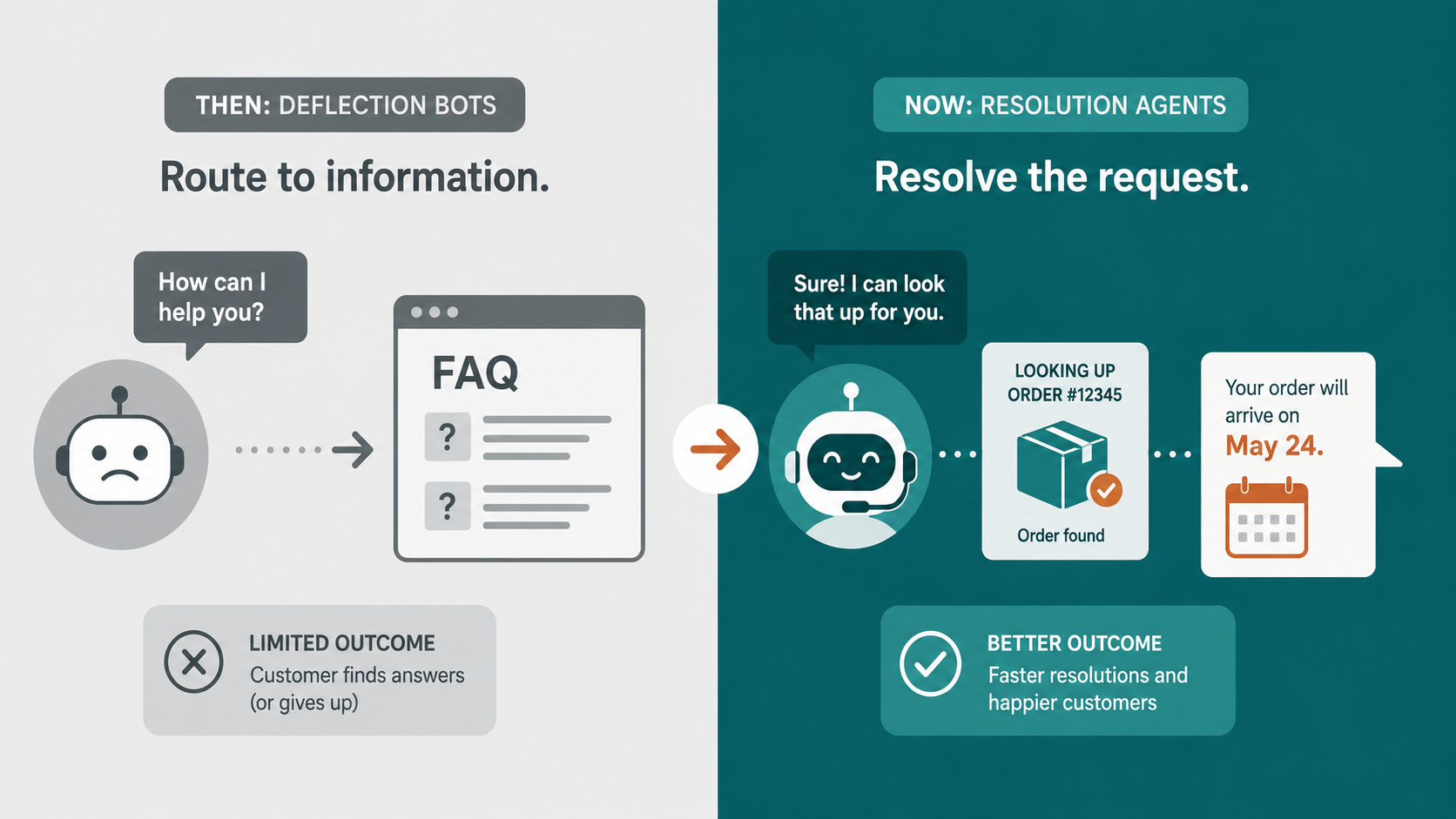
The AI chat landscape has shifted dramatically from the scripted chatbots of a few years ago. Gartner predicted that 80% of customer service organizations would apply generative AI in some form by 2025. We’re past that threshold now. The category has matured from “deflection bots” that redirect questions to “resolution agents” that solve problems.
The difference matters. A deflection bot tells your customer to check the FAQ page. A resolution agent looks up their order status, checks your shipping integration, and tells them their package arrives Thursday. One creates friction. The other eliminates it.
Modern AI chat agents understand context and handle multi-step conversations. They operate across your website, WhatsApp, Instagram, and SMS. I watched a client’s bot handle a scheduling change, confirm the new time, and send a calendar link, all in under 90 seconds. When the customer asked a follow-up question the bot couldn’t answer, it handed off to a human with the full conversation attached. No one had to repeat anything.
IBM estimates that chatbots can reduce customer service costs by up to 30%. That’s a meaningful number for a 10-person company where every hour of staff time is visible on the P&L. Salesforce found that 68% of consumers appreciate the speed of chatbot responses, which tracks with what I hear from clients. Nobody is nostalgic for hold music.
The math works. The question for most small business owners isn’t whether AI chat support is worth it. It’s where to start.
HubSpot’s AI Chat Tools: What They Do and Who They’re For
Since the topic of HubSpot came up specifically,

30+ years of research strategy on projects for Oracle, Cisco, PayPal, and Walmart — now helping small businesses adopt AI that actually delivers.
More about George →Keep reading

Galyx.com: AI Guidance for Small Business. AI isn't just for companies with big budgets. It takes away mundane tasks so you can spend your time on your business.

Small business owners spend 36% of their week on admin. AI automation tools are eliminating most of it. Here’s what that looks like in practice and how to start this week.
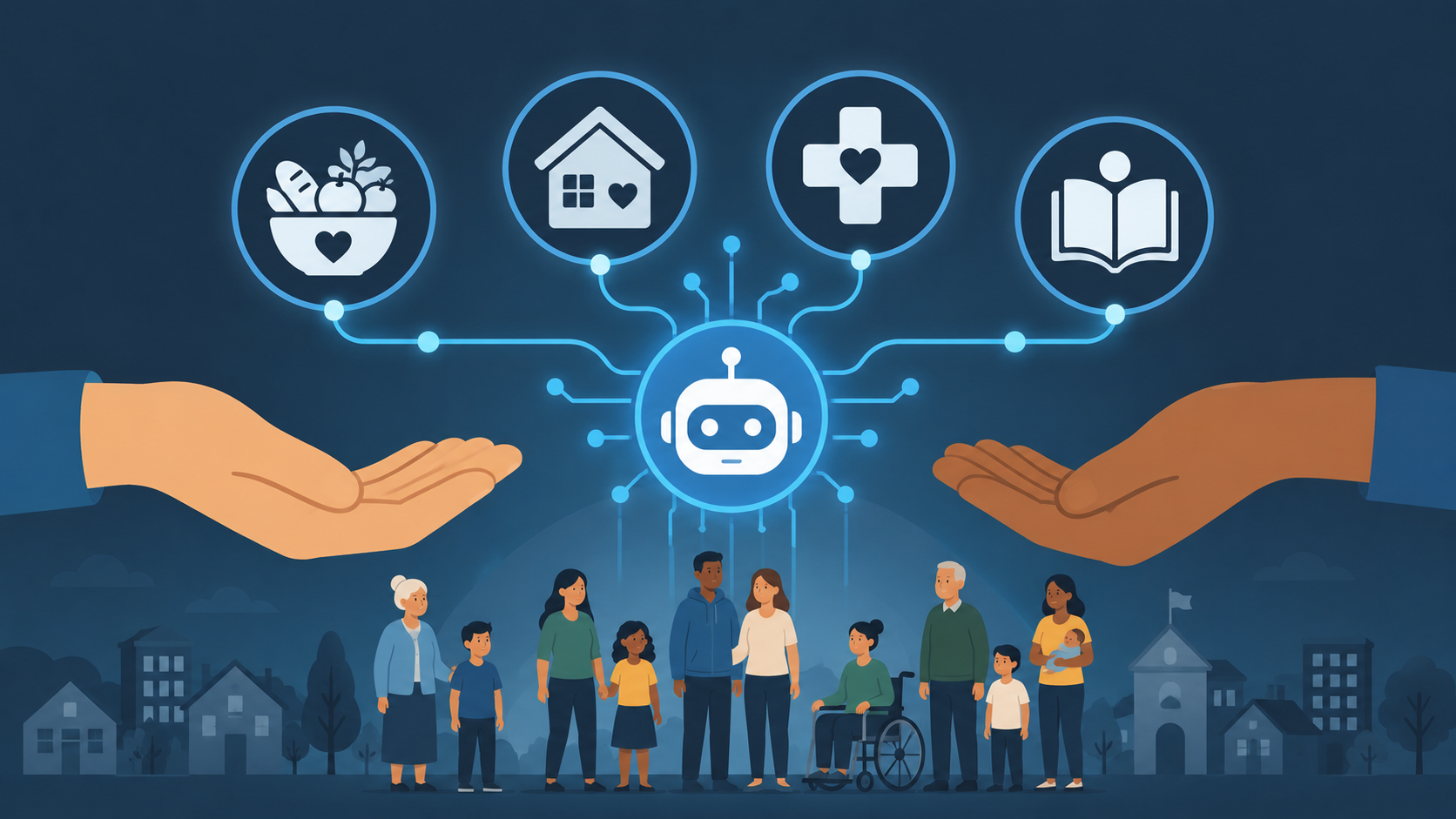
92% of nonprofits use AI. Only 7% see major results. How foundations and small organizations are using AI for both operations and community impact. Practical guide from Galyx.