Writing Proposals and Fee Letters in Half the Time Without Losing Your Professional Voice

Solo architects and small design firms spend too many hours writing proposals that look like last month’s. AI can cut the assembly
Be honest with yourself for a second. How many hours did you spend last month writing proposals? Not designing. Not sitting across from clients. Writing scope descriptions and assembling fee breakdowns. Rewording the same liability paragraph you’ve used for three years and formatting the whole thing so it looks like it came from a firm twice your size.
If you run a solo architecture practice or a small interior design studio, the answer is probably more hours than you’d admit out loud. The frustrating part is that most of what you wrote last month looks almost identical to what you wrote the month before.
Where Proposals Eat Your Week
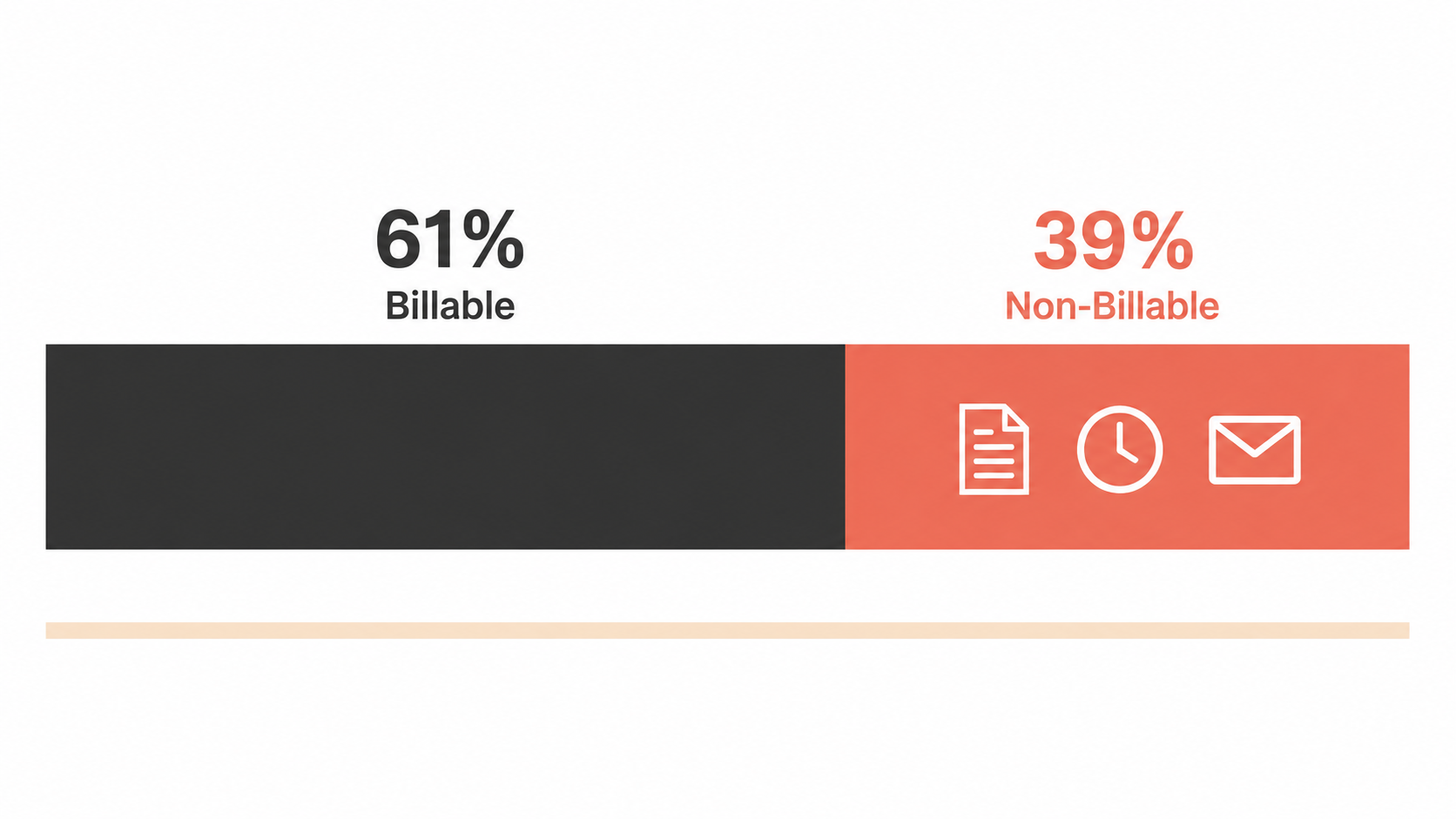
The Deltek Clarity benchmarks put the median utilization rate for architecture firms at 61%. That means nearly four out of every ten paid hours go to non-billable work. For a solo practitioner or a two-person shop, the percentage is often worse because there’s nobody to hand the admin to. The proposal for the project you didn’t win still took your afternoon.
Proposals sit right in the middle of that gap. They’re essential (you don’t eat without them) and repetitive enough that most of what you wrote this month will look familiar by next month. But a sloppy scope description can cost you more than the project itself. That’s the tension: the work feels routine until the moment it isn’t.
What AI Gets Right in Proposal Writing
ChatGPT and Claude are both strong at generating a structured first draft from clear instructions. Feed either model two or three of your previous

30+ years of research strategy on projects for Oracle, Cisco, PayPal, and Walmart — now helping small businesses adopt AI that actually delivers.
More about George →Keep reading

Only 43% of associations can access their own member data. AI cannot fix what it cannot see. A practical guide to fixing the data foundation before buying AI features.

AI is eroding the two things associations have always sold: information and credentials. The ones that survive will use AI to rebuild value, not automate admin.

Labor Day was created to honor human work. In 2026, AI handles the busywork. Here is what to automate and what to protect.