
The Labor AI Can’t Replace
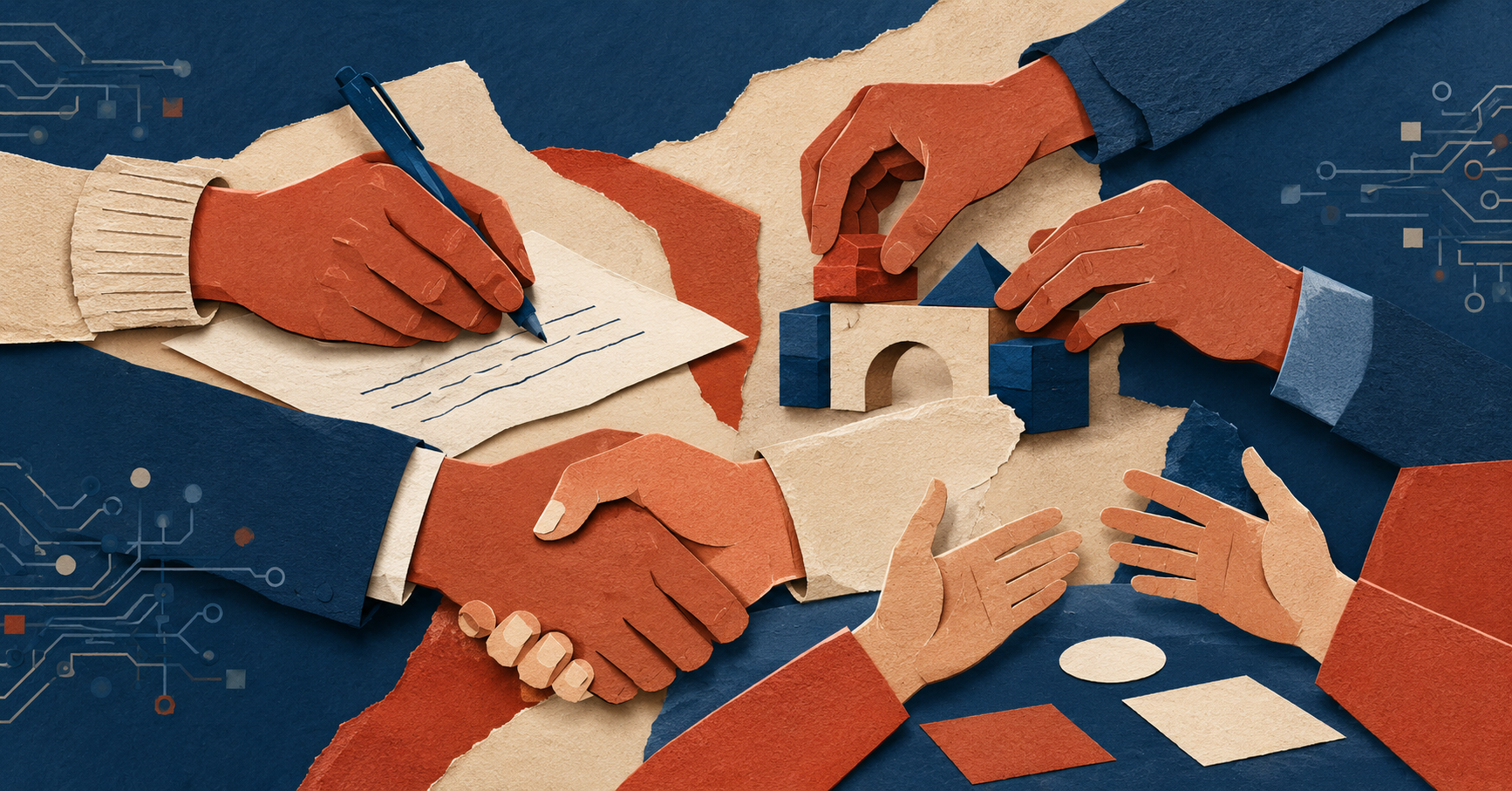
Labor Day was created to honor human work. In 2026, AI handles the busywork. Here is what to automate and what to protect.
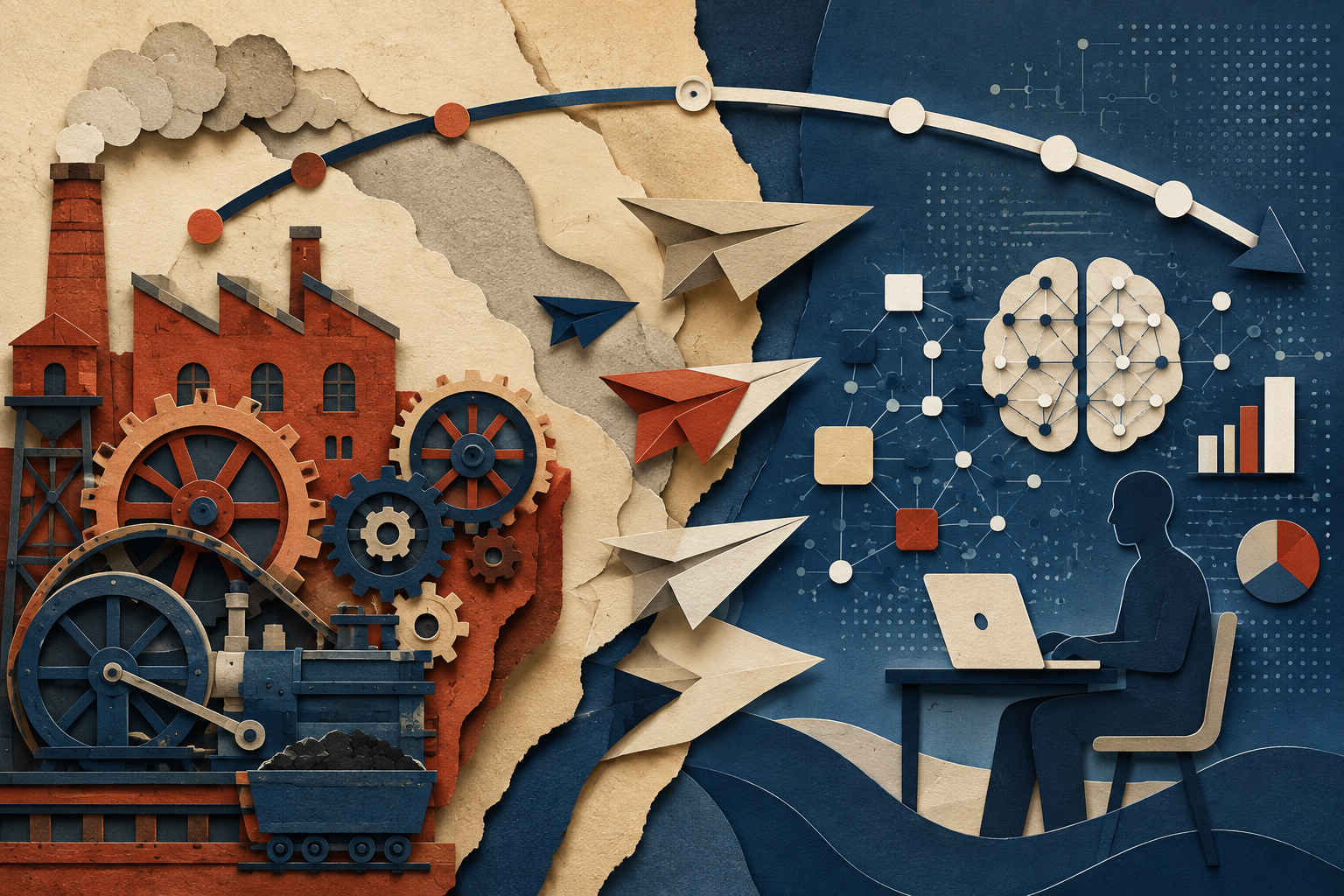
Labor Day was created in 1894, during the most dramatic industrial upheaval the country had ever seen. Machines were replacing muscle. Entire trades were being restructured. Congress created the holiday to recognize the dignity of the human worker at a moment when that dignity felt under threat.
We are in a comparable moment now, except the machines are replacing cognition, not muscle. And the question has shifted. It is no longer whether AI is changing work. It clearly is. The question is which work remains fundamentally, structurally human.
The answer is more specific than most people expect.
The Shift That Matters
The national conversation about AI and jobs is stuck in a binary: either AI takes your job, or it helps you do your job better. The data tells a more interesting story.
Boston Consulting Group analyzed 165 million jobs across 1,500 roles earlier this year. AI will reshape between 50 and 55 percent of U.S. jobs over the next two to three years. That is not elimination. Reshaping means the job title stays, but what the company expects you to do with it changes substantially.
The elimination number is smaller and operates on a longer timeline. BCG projects 10 to 15 percent of jobs could be eliminated over four to five years. That’s significant if you are planning your business around it.
Oxford Economics tracked 1,200 enterprises across 14 industries and found something the policy world did not expect. Companies deploying AI at scale saw net headcount increase by 4.2 percent over two years. Companies that had not adopted? Growth of 1.1 percent. The adopters eliminated 6.3 percent of roles but created 10.5 percent new ones.
I read that, and my first thought was: this is the opposite of what small business owners hear on the news every night.
The pattern makes sense once you think about it. AI lowers the cost of producing certain outputs. When the cost drops, companies produce more. They need people to manage, interpret, and direct that increased output. Headcount grows because the work expands, not because the technology is idle.
The Yale School of Management frames it differently. The shift is not from employment to unemployment. It is from execution to supervision. Workers spend less time doing the routine version of their job and more time overseeing AI that does the routine version.
For a small business owner, this changes the question. The issue is not whether your people are replaceable. It is which parts of their workday are compressible.

30+ years of research strategy on projects for Oracle, Cisco, PayPal, and Walmart — now helping small businesses adopt AI that actually delivers.
More about George →Keep reading

AI renders faster and drafts proposals in minutes. But building codes, site conditions, professional liability, and field decisions remain structural limits no model handles.

Only 43% of associations can access their own member data. AI cannot fix what it cannot see. A practical guide to fixing the data foundation before buying AI features.

Solo architects and small design firms spend too many hours writing proposals that look like last month’s. AI can cut the assembly