
It’s Not AI Slop. It’s Human Slop.

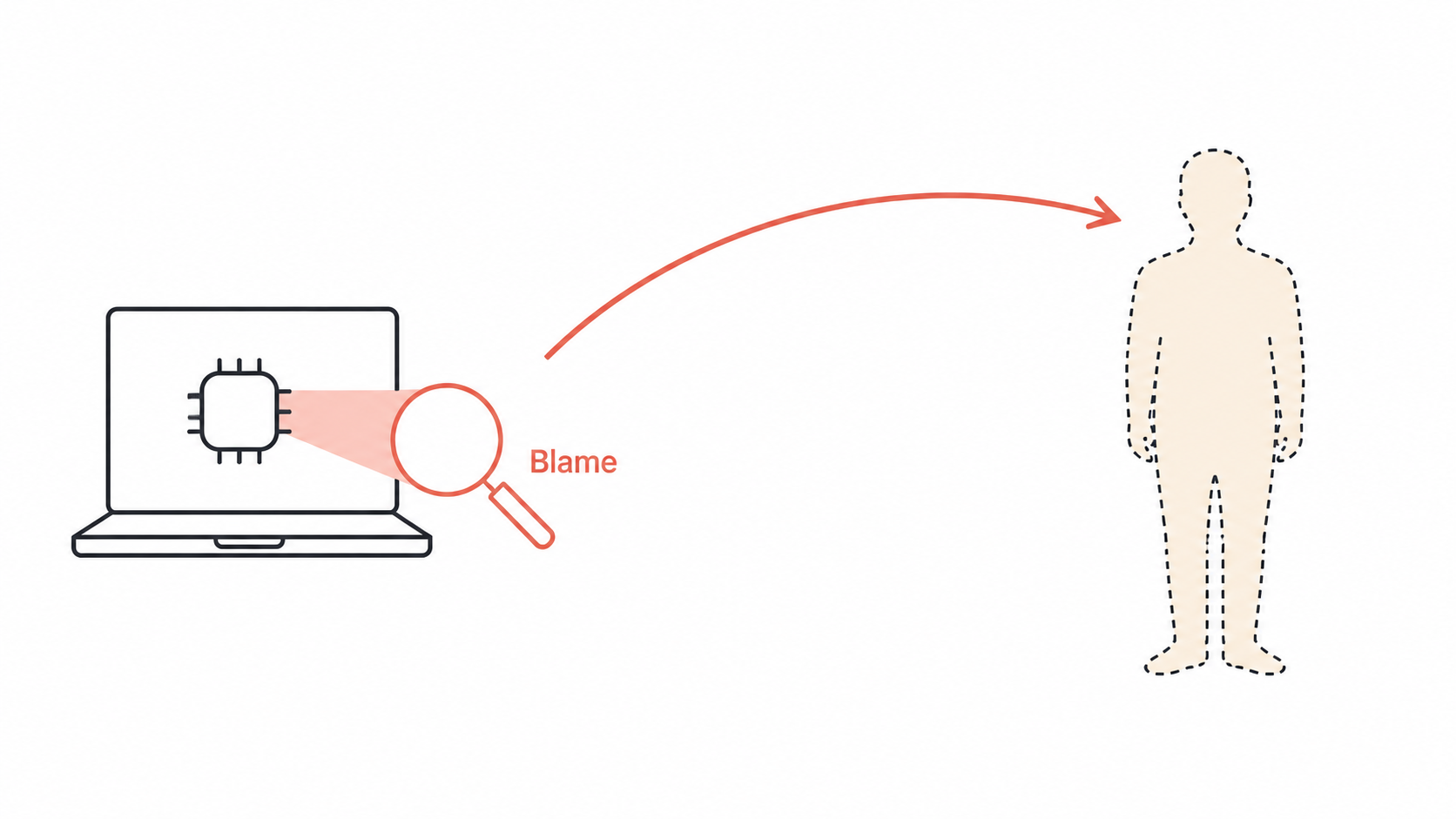
The word of the year blames the machine. The machine is not the variable. What everyone calls AI slop is almost always human slop.
If I had a nickel for every time I saw someone post about AI slop this week, I could buy a cup of coffee. At Starbucks. With all the upgrades.
The term is everywhere. Merriam-Webster made “slop” its 2025 Word of the Year and defined it as “digital content of low quality that is produced usually in quantity by means of artificial intelligence.” Read that definition again. It points at the machine. The machine is not the variable.
What everyone keeps calling AI slop is almost always human slop. People who fed a vague prompt into a chatbot, skimmed the output for thirty seconds, and hit publish. The model did what it was asked. The human did not do the four things that make any output worth reading: prompt with intent, iterate on the draft, inject original thinking, and review before shipping. That is not a technology failure. It is a professional one.
This is the third piece in a series I have been writing on this theme. In the first piece, titled “Claude Just Flagged Your Employee’s Best Work as Fake,” I argued that AI detection tools cannot distinguish between processed and authored content and that watermarks measure the wrong thing. In the second, “Stop Apologizing for Using AI. Start Owning the Work,” the argument was that treating AI like a confession rather than infrastructure is the wrong frame. This post takes the same accountability thesis and aims it at the most popular misdiagnosis of all: the idea that slop is what AI produces. It is not. It is what people produce when they stop doing the work.
The Problem Predates the Tool
Before there was slop, there was spam. Two four-letter words that do not start with F, both describing the same phenomenon: high-volume, low-value content produced by people who prioritized reach over substance.
Slop did not start with ChatGPT. Content farms were mass-producing keyword-stuffed garbage for a decade before generative AI existed. Corporate slide decks with forty bullets and no decision. “Circling back” emails that say nothing. Press releases that read like a chatbot wrote them, produced entirely by hand. The real estate listing that describes every property as “charming” and “sun-drenched.” The annual report that fills twelve pages without saying anything. The marketing email with a subject line so generic that your brain skips it before your finger does. The consultant’s deliverable that restates your own brief back to you with a new font and a big invoice.
All of that was human slop, produced at human speed, long before a model generated a single word. Humans have been manufacturing mediocre content at scale for as long as there have been tools to manufacture it with.
Every generation of publishing technology followed the same pattern. Wider access, faster output, and no change in the distribution of quality. The volume goes up. The percentage of that volume that is worth reading stays about the same. AI is the latest chapter, but by no means the first.
The Four Things That Cause Slop
When you look past the label and examine what slop really amounts to, the same four failures show up every time. Every one of them sits on the human side of the workflow.

30+ years of research strategy on projects for Oracle, Cisco, PayPal, and Walmart — now helping small businesses adopt AI that actually delivers.
More about George →Keep reading

Only 43% of associations can access their own member data. AI cannot fix what it cannot see. A practical guide to fixing the data foundation before buying AI features.

Solo architects and small design firms spend too many hours writing proposals that look like last month’s. AI can cut the assembly

AI is eroding the two things associations have always sold: information and credentials. The ones that survive will use AI to rebuild value, not automate admin.