
AI Token Economics: What You’re Really Paying For
How AI pricing works, why costs vary so dramatically, and five levers any business owner can pull to spend less without doing less. No technical background required.
I was three days into an active project last month when I hit the usage cap on one of my AI subscriptions. Nothing dramatic. A small notification telling me I’d burned through my monthly allotment and needed to buy more credits to keep working.
So I bought a small top-up. Got past the roadblock. Kept working.
Two days later, same tool, same project, same notification. Back to the till. A third time the following week.
By the time the project wrapped, I’d spent more on that single tool in three weeks than I normally spend in three months. And that was the tool I was tracking. I had another subscription I’d signed up for with a free trial six weeks earlier. Forgot about it completely. Two months of charges showed up on my statement before I caught it.
None of this was a financial crisis. But it made me realize something most business owners haven’t confronted yet: AI pricing doesn’t work like anything else you buy for your business. And if you don’t understand the mechanics underneath it, you can’t manage the cost.
Why AI Pricing Breaks Every Model You’re Used To
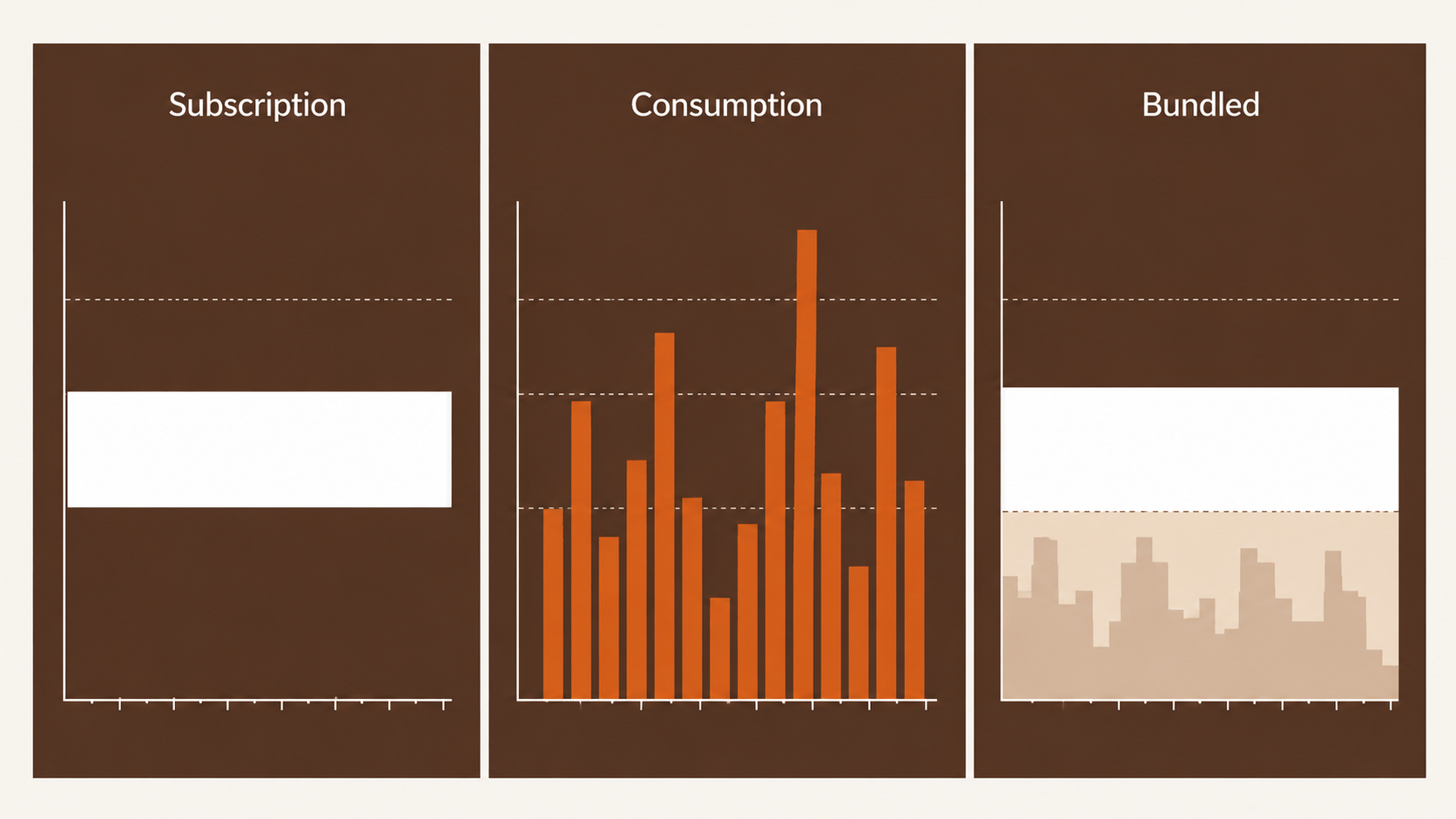
Most software you pay for works on a predictable seat-based model. Ten people, ten licenses, fixed monthly bill. You can budget for it in January and be right in December.
AI tools are moving in a different direction. The shift is toward consumption pricing, where you pay for what you use, measured in tokens. A token is roughly three-quarters of a word. Every question you ask, every document you feed into an AI tool, every response it generates burns tokens. More tokens, higher bill.
That sounds reasonable until you see how it behaves in practice. Researchers at Stanford’s Digital Economy Lab ran the same coding task through the same AI agent multiple times and published the results in April 2026. Token costs varied by up to 30 times between runs. Same task, same tool, wildly different bills. The AI doesn’t take the same path every time. It makes decisions about which tools to call, how much context to re-read, whether to retry a failed step. Each decision burns tokens, and no two runs are identical.
McKinsey’s Enterprise AI FinOps survey from May 2026 confirmed what that variability produces at scale: 93% of organizations surveyed had already exceeded their AI budgets.

30+ years of research strategy on projects for Oracle, Cisco, PayPal, and Walmart — now helping small businesses adopt AI that actually delivers.
More about George →Keep reading

Only 43% of associations can access their own member data. AI cannot fix what it cannot see. A practical guide to fixing the data foundation before buying AI features.

Solo architects and small design firms spend too many hours writing proposals that look like last month’s. AI can cut the assembly

AI is eroding the two things associations have always sold: information and credentials. The ones that survive will use AI to rebuild value, not automate admin.