
AI for Decision-Making Support: How Smart Business Owners Are Using AI to Make Better Calls
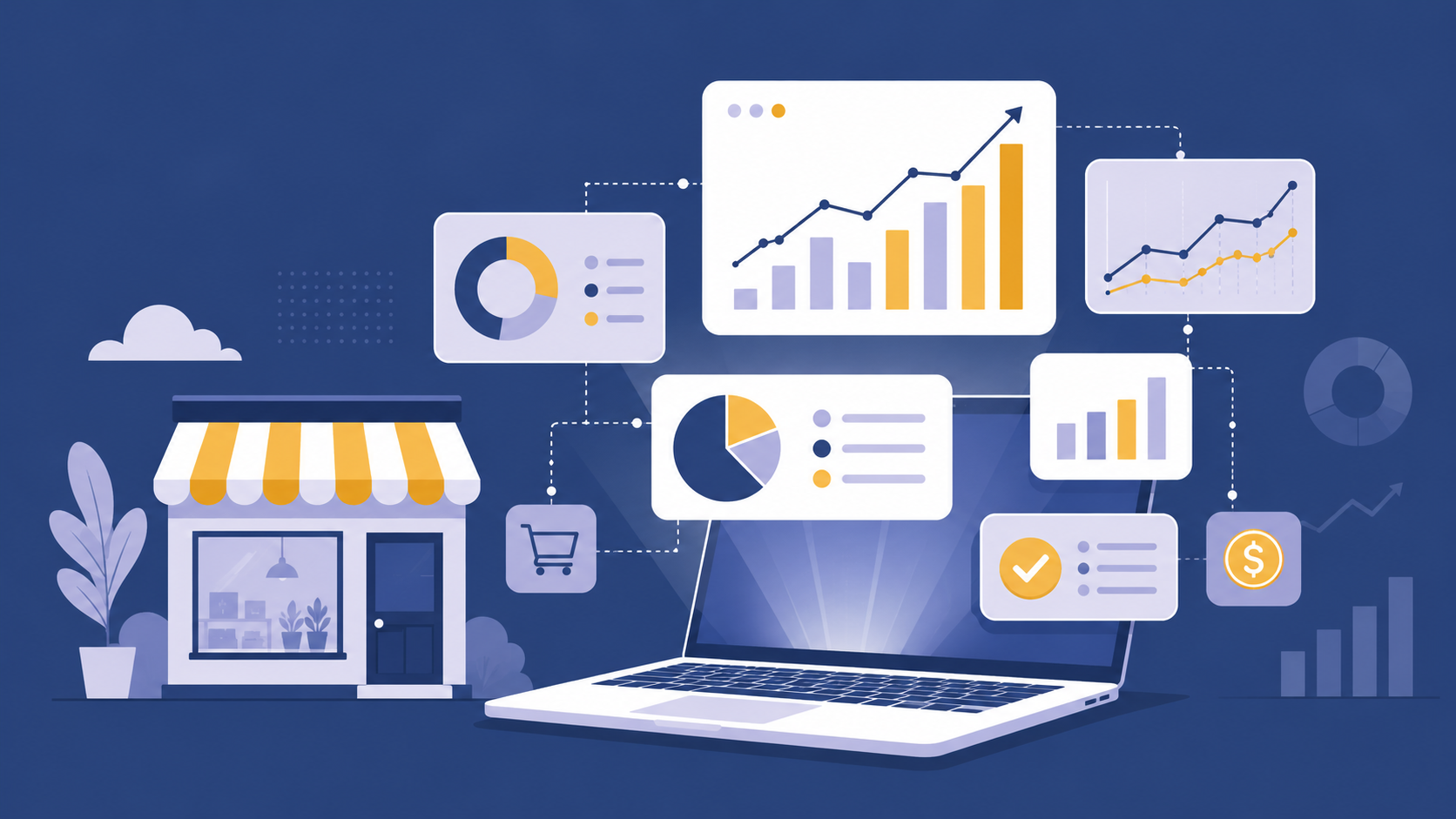
88% of companies use AI. Only 39% see financial impact. The difference is what they’re asking AI to do. Five decision categories and a 30-minute framework.
The metric every small business owner is tracking is the wrong one. Not always. But often enough that it should bother you.
I spend most of my weeks talking to business owners who can tell me their revenue number, their follower count, and their close rate. Ask them how they’re pricing their services relative to what the data supports, or which customer segment generates the most lifetime value, or whether their marketing spend is producing clicks that convert or clicks that bounce, and you get a pause. Then you get a guess.
That’s the gap I want to talk about. Not whether you should use AI. You should. But how to use it for the decisions that shape your business. Pricing. Hiring. Where to spend your marketing budget. When to cut a product line. These aren’t glamorous use cases. Nobody’s writing breathless LinkedIn posts about a contractor using AI to figure out which zip codes generate the most repeat business. But that’s the stuff that moves the needle for companies under $100M in revenue.
McKinsey’s November 2025 State of AI report found that 88% of organizations now use AI in at least one business function. That sounds like everyone’s on board. But nearly two-thirds of respondents are still in the pilot or experimentation phase. Playing with AI. Not using it to make real decisions. Only 39% could point to any measurable financial impact from their AI investments.
AI decision-making for small business isn’t about replacing your judgment. It’s about giving your judgment better inputs.
What AI Decision Support Looks Like in Practice
Let me clear something up. When I say
AI decision support, I’m not talking about some scenario where a computer tells you what to do. I’m talking about using AI tools to surface patterns in your data, stress-test your assumptions, and present options you wouldn’t have seen on your own. You still make the call. AI makes sure you’re not making it blind.
Think about it this way. You’ve got a plumbing company with three years of service records sitting in a spreadsheet. You know intuitively that summer is busier. But AI can tell you which specific services are most profitable by month and which neighborhoods have the highest lifetime customer value. That’s not automation. That’s intelligence.
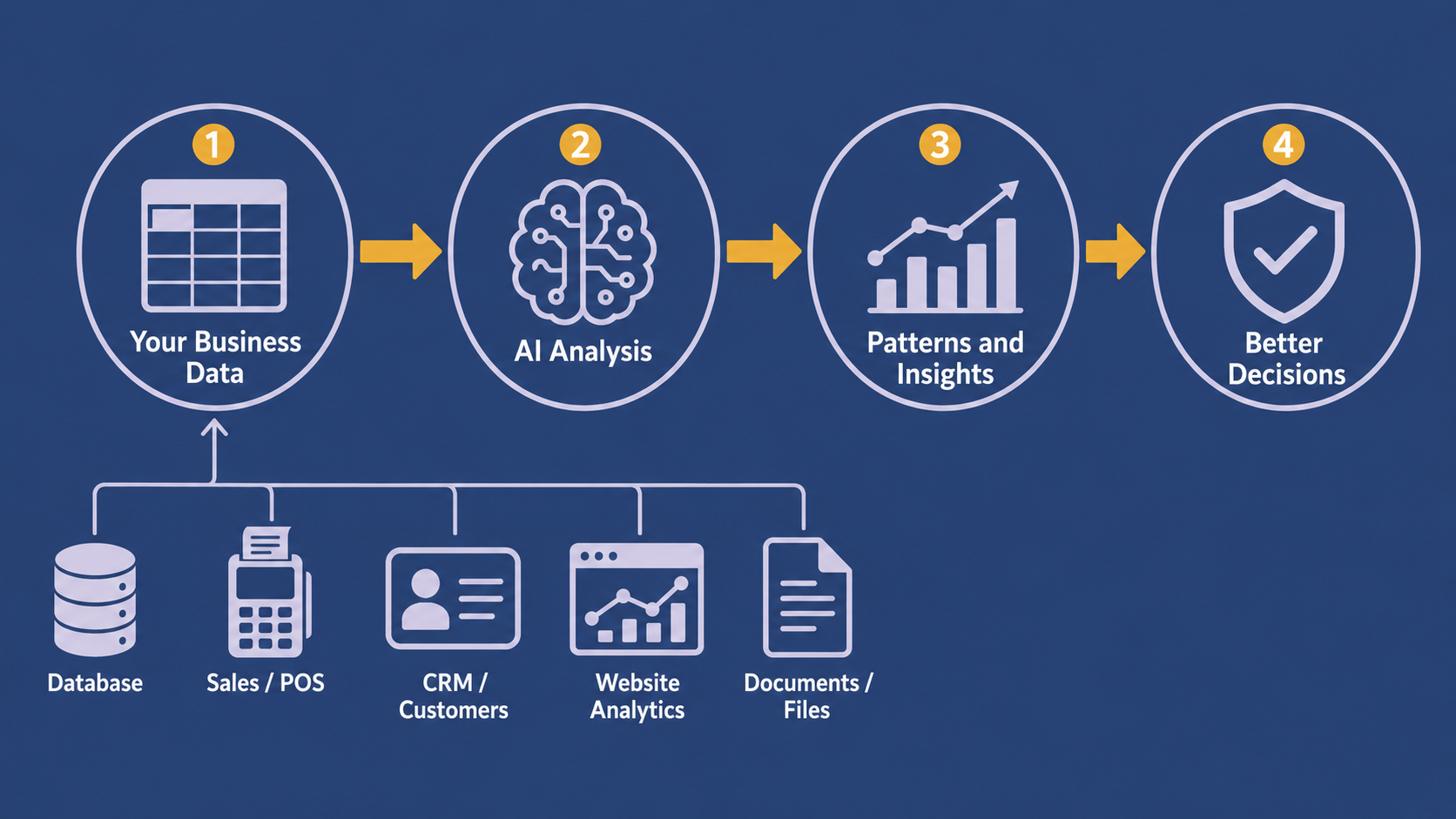
A QuickBooks survey of more than 2,200 small businesses in 2025 found that 68% now use AI regularly, up from about 48% a year earlier. But most of that usage is concentrated in content creation and basic customer service. The decision-making layer, where you feed your own business data into these tools and get strategic insights back, is still wide open for the majority of SMBs.
The business owners who are pulling ahead aren’t the ones using AI the most. They’re the ones using it for the decisions that matter most.
Five Decision Categories Where AI Changes the Math
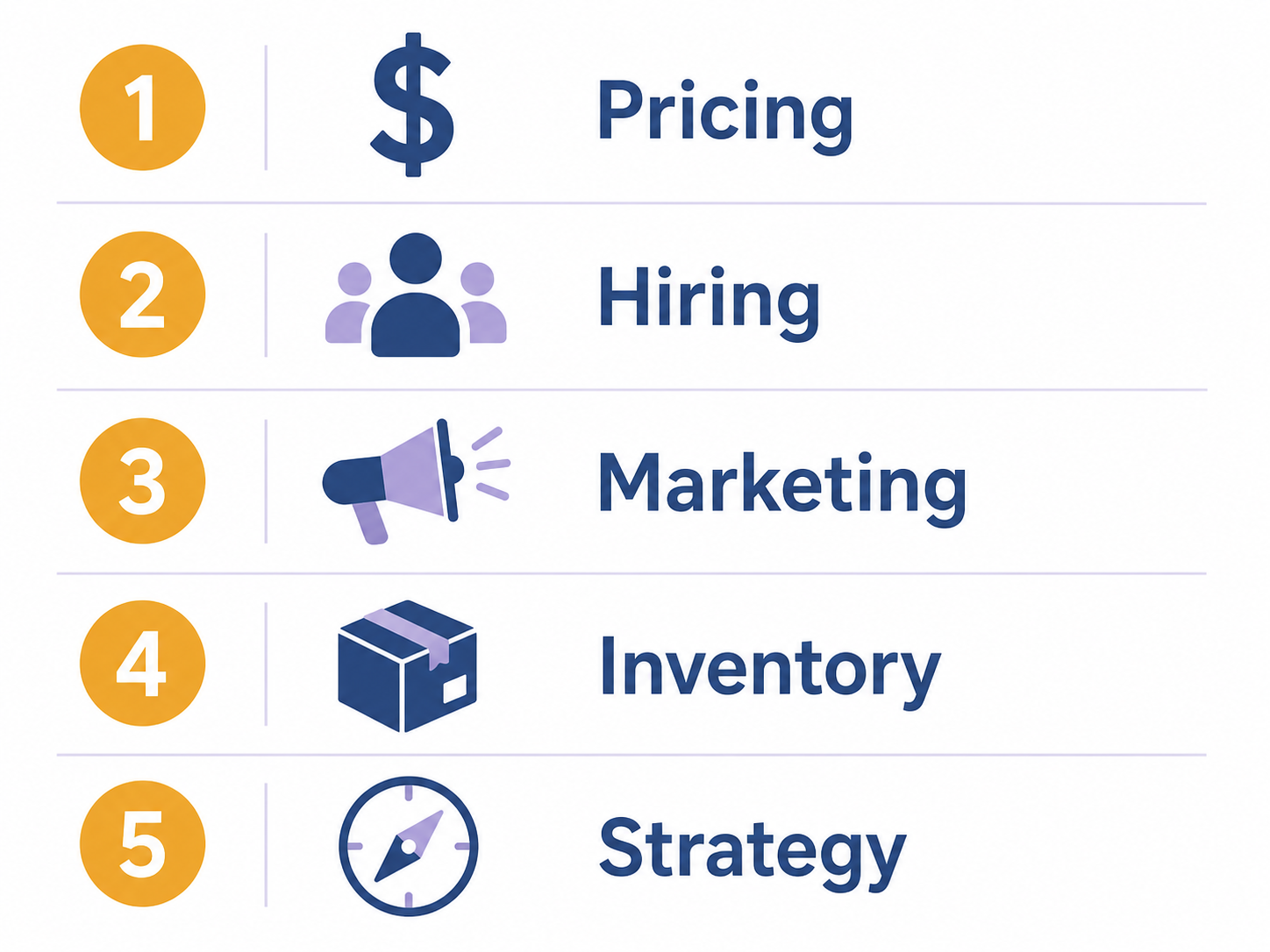
I’ve been tracking how small business owners use AI for decisions, and the patterns cluster around five categories. Most businesses will find at least two or three that connect directly to something they’re currently solving with gut instinct.

30+ years of research strategy on projects for Oracle, Cisco, PayPal, and Walmart — now helping small businesses adopt AI that actually delivers.
More about George →Keep reading

AI is eroding the two things associations have always sold: information and credentials. The ones that survive will use AI to rebuild value, not automate admin.

Labor Day was created to honor human work. In 2026, AI handles the busywork. Here is what to automate and what to protect.
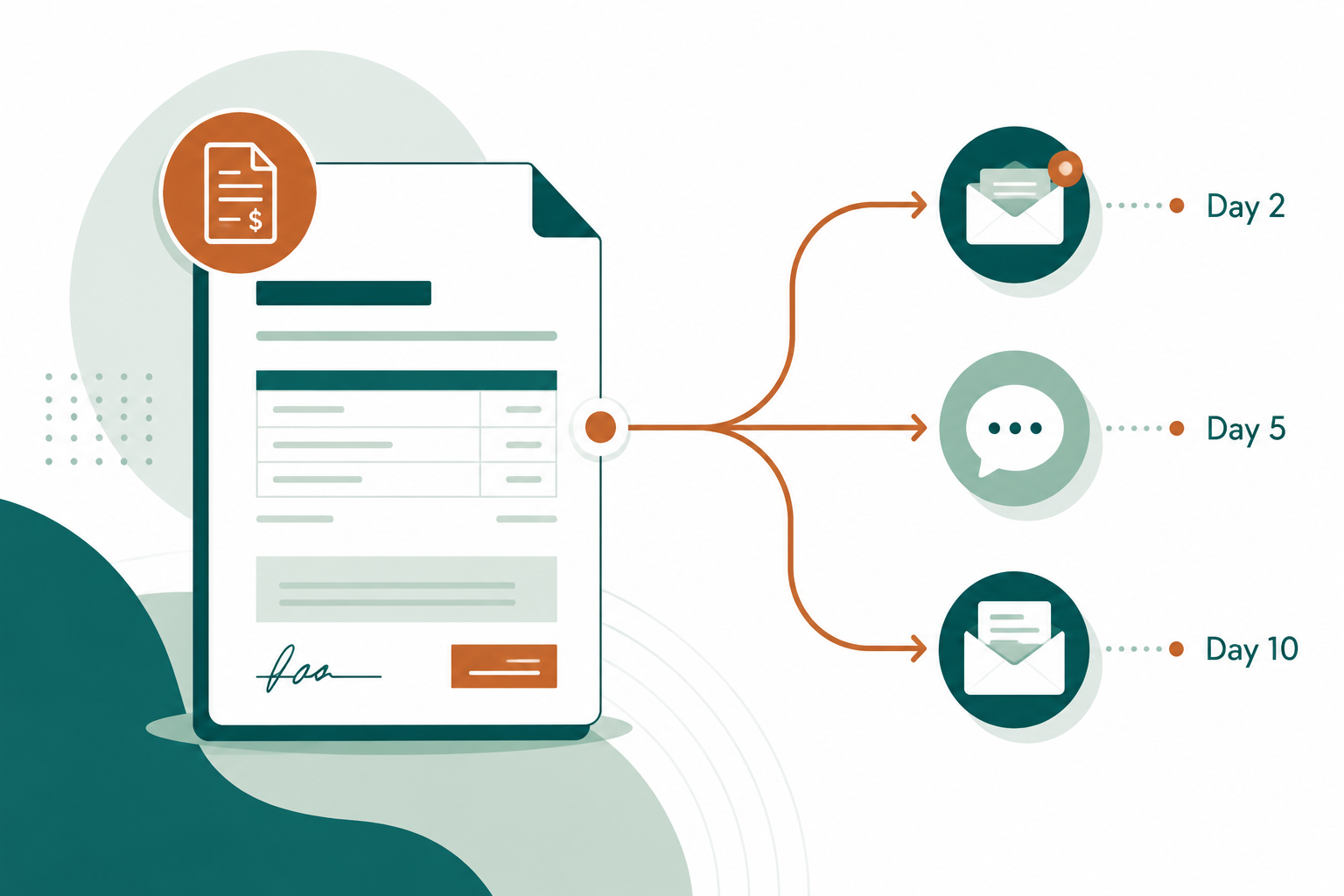
Small businesses have no line item for AI. Costs are scattered across credit cards, subscriptions, and bundled software tiers. A guide to building your first AI budget.